Rose Mom Messy Bun Hair: A Designer's Review
As someone who spends more time at the hoop than away from it, I approach every new machine embroidery design with a mix of excitement and skepticism. We have all seen the trend of "mom life" graphics flood the market, but finding one that translates well from a screen to actual thread is a different story. Recently, I got my hands on the Rose Mom Messy Bun Hair file to evaluate its potential for real-world projects. This isn't just about whether the SVG looks cute in a digital mockup; it is about how those lines hold up when punched into terry cloth, stretched over a cap, or stitched onto a boutique tote bag.
First Impressions and Visual Personality
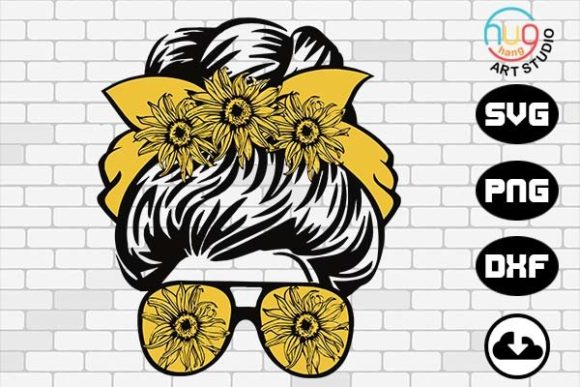
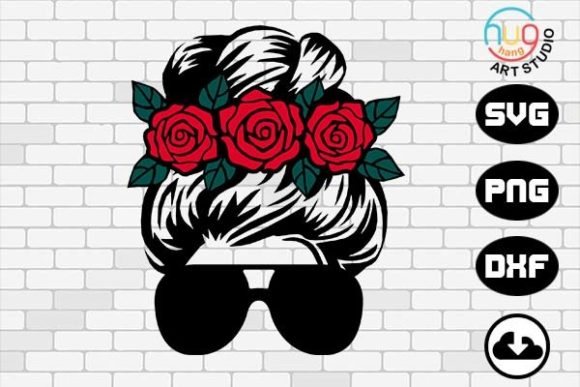
When I first opened the folder containing the SVG, DXF, and PNG files, the immediate takeaway was the balance between whimsy and structure. The design features a classic messy bun silhouette topped with a floral element, specifically a rose, which adds a touch of softness to an otherwise casual hairstyle. For a designer, the layout is crucial. The composition feels centered and stable, which suggests it will sit well on various garments without looking lopsided. The "messy" aspect of the bun is stylized rather than chaotic, meaning the stitch paths likely follow a logical flow that prevents thread bunching—a common issue with overly detailed hair textures.
The mood this design creates is approachable and relatable. It speaks directly to the target demographic of busy mothers who still want to feel put-together. In the world of Crafts and Graphics, authenticity sells. This design avoids the stiff, clip-art feel of older files. Instead, it has a modern, hand-drawn aesthetic that fits perfectly with current boutique trends. Whether you are creating a personalized gift for a friend or building inventory for an Etsy seller shop, the visual personality here is strong enough to stand out without being overwhelming.
Real-World Application Scenarios
To truly test the viability of Rose Mom Messy Bun Hair, I imagined several specific production scenarios. The most obvious application is custom apparel. Picture a heather grey sweatshirt with this design stitched in white and soft pink threads on the left chest. It works beautifully as a subtle branding element for a mom blog or a local parenting group. The scale of the design seems versatile enough to be resized slightly for a pocket placement without losing the integrity of the rose details.
Beyond clothing, I see immense potential for home goods. A linen tote bag design featuring this graphic would be a hit at craft fairs. Linen can be tricky due to its weave, but the solid shapes in the bun and the flower should cover the fabric texture well, provided the right stabilizer is used. Another strong contender is the embroidered patch. If you digitize this further or use it as a base for a patch project, the distinct outline of the bun makes for a clean cut line. Imagine these patches applied to denim jackets or canvas backpacks; they add instant character to a small shop product.
I also considered seasonal angles. With a simple change of thread colors, this could easily become a piece of holiday embroidery. Swap the pink rose for a red poinsettia or a green holly accent, and suddenly you have a festive item for Christmas gifts. The adaptability of the core silhouette allows for significant creative freedom, making it a valuable asset in a designer's library for year-round sales.
Technical Considerations and Fabric Challenges
While the design is promising, a professional review must address the technical hurdles. Not every fabric plays nice with every file. When working with stretchy fabric like jersey knit for t-shirts, the density of the fill stitches in the hair bun becomes a critical factor. If the stitch density is too high, the fabric may pucker or restrict movement. I always recommend testing the design on a scrap piece of your intended material first. If you notice pulling, you may need to adjust your stabilizer strategy, perhaps opting for a cut-away stabilizer rather than tear-away for long-lasting durability.
Textured fabrics present another challenge. On a thick towel or a waffle-weave apron, fine details can get lost. The rose petals in the Rose Mom Messy Bun Hair design need to be inspected closely. If the original file relies on very short satin stitch columns or tiny running stitch details, they might disappear into the loops of a towel. In such cases, this design is better suited for smoother surfaces like polo shirts, pillow covers, or structured caps. Speaking of caps, the curved surface requires careful hooping. The central placement of the bun is ideal for a front-panel cap embroidery, but ensure the height of the design fits within your machine's cap frame limits.
Dark fabrics require a different mindset entirely. If you are stitching this onto a black hoodie, the outline of the messy bun must be distinct. You might need to add a underlay or choose lighter thread colors to ensure the silhouette pops. Always run a test on black fabric to check for contrast issues before committing to a full production run for a craft business.
Enhancing Brand Value and Customer Trust
The quality of your finished product directly impacts your reputation. Using a well-structured embroidery file like this one contributes to a polished look that customers associate with professionalism. When a buyer receives a handmade product where the stitches are even, the shapes are clear, and the theme resonates with them, it builds trust. The Rose Mom Messy Bun Hair design, with its trendy yet timeless appeal, helps elevate the perceived value of the item. It transforms a basic sweatshirt into a statement piece that says, "I understand your lifestyle."
For commercial embroidery projects, consistency is key. If you are selling these as part of a collection, the design needs to look identical on every unit. The vector nature of the SVG and DXF files included in the download ensures that you can scale the image without pixelation when creating printable mockups for your online store. High-quality previews lead to higher conversion rates. However, remember that what looks good on a screen must translate to thread. Ensuring the physical stitch-out matches the digital promise is how you secure repeat customers and positive reviews.
Practical Notes for the Studio
Before you start churning out inventory, here are a few actionable steps to take with this design. First, verify the licensing terms. The product description mentions it is a cut file for Cricut and Silhouette, often used for vinyl, but using it for machine embroidery requires ensuring the stitch file (if provided) or your own digitization respects the creator's rules regarding commercial embroidery sales. Never assume a license covers everything; always read the fine print.
Second, pay attention to thread selection. The rose element invites creativity. Try variegated threads to give the flower depth, or stick to solid pastels for a cleaner look. Contrast is your friend; make sure the headband or hair tie element stands out against the bun. Third, consider the hoop size. While the design looks compact, ensure you have a hoop large enough to accommodate the entire motif without re-hooping, which can lead to alignment errors.
Finally, think about the end-user experience. Will this design survive frequent washing? If it is for a baby item or a kitchen towel, durability is paramount. Check the trim points and jump stitches. A clean backside is just as important as a beautiful front, especially for items like scarves or open-front cardigans where the inside might be visible.
In conclusion, Rose Mom Messy Bun Hair offers a solid foundation for a variety of creative endeavors. It bridges the gap between digital design assets and tangible, sellable goods. With careful attention to fabric choice, stabilization, and thread work, this design can become a staple in your portfolio, delighting customers and streamlining your production process. It is a reminder that in our industry, the best designs are those that not only look good but work hard.