Hot Dog Mom: A Designer's Take on This Playful Embroidery Design
As someone who spends more time than I'd like to admit staring at stitch previews and thread charts, I approach every new machine embroidery design with a mix of curiosity and caution. When I first encountered the Hot Dog Mom graphic, my initial reaction was a genuine smile. There is a specific kind of charm in food-themed parental designs that resonates deeply with the current market for handmade goods. It feels lighthearted, slightly quirky, and undeniably cute. However, moving from a digital preview to a physical finished product requires a critical eye. This isn't just about whether the image looks good on a screen; it is about how those lines translate into thread, how the design behaves on different fabric textures, and whether it holds up under the scrutiny of a paying customer or a loved one receiving a personalized gift.
First Impressions and Visual Personality
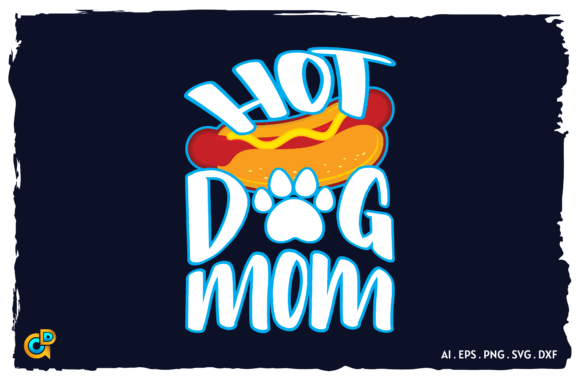
The visual personality of Hot Dog Mom leans heavily into the whimsical side of the Crafts category. The layout typically features a central character—a hot dog, often anthropomorphized with arms or a face—paired with bold, readable typography. For an embroidery project, this combination of illustration and text is classic, but the execution matters immensely. The mood it creates is one of fun and approachability. It screams "summer BBQ," "casual weekend wear," or "playful nursery decor."
From a design standpoint, the success of this Graphics asset relies on the balance between the illustrative element and the lettering. If the hot dog illustration is too detailed with tiny condiment splatters, it risks becoming a muddy mess once stitched out. Conversely, if the lines are too simple, it might look amateurish. In my assessment, this design works best when it embraces clean shapes. The "mom" aspect suggests a target audience that appreciates humor without taking themselves too seriously, making it a strong contender for boutique branding or small shop products aimed at young families.
Real-World Application: The Tote Bag Test
To truly evaluate the potential of Hot Dog Mom, I imagined a specific real-life scenario: creating a custom tote bag design for a local farmer's market vendor who sells artisanal snacks. The goal was to create a staff shirt or apron that was identifiable but fun. In this context, the design shines. Placed on the chest of a canvas apron or the side of a heavy cotton tote, the graphic provides immediate brand recognition.
However, the transition from a digital file to sweatshirt embroidery or a structured cap presents different challenges. On a sweatshirt, the fabric has more give and texture. If the stitch density of the hot dog illustration is too high, the fabric might pucker, distorting the cute shape into something unrecognizable. On a cap, the curved surface demands a design that isn't too wide or too tall. Hot Dog Mom generally fits well within standard hoop constraints, but one must be careful with the placement of the text relative to the brim. For a baby embroidery project, such as a onesie for a summer photo shoot, the scale would need to be reduced significantly. This is where the integrity of the small details becomes critical.
Navigating Technical Challenges
While the concept is solid, practical application requires attention to technical details. One area where designers often stumble with character-based graphics is in the small hoop sizes. If you are attempting to stitch Hot Dog Mom onto a pocket or a narrow cuff, you must verify that the smallest elements—perhaps the eyes of the hot dog or the dot on an 'i' in "Mom"—are not so tiny that they disappear or cause thread breaks.
Furthermore, thread colors play a pivotal role in the final aesthetic. A design that looks vibrant in full color on a white background might lose all definition on a dark navy or black garment. Before committing to a production run, it is wise to test the design in black and white mockups to ensure the contrast holds up. If the design relies on subtle shading achieved through fill stitch variations, those nuances might vanish on textured fabrics like Terry cloth or heathered jerseys. In such cases, switching to a bolder satin stitch outline or adjusting the color palette to high-contrast combinations can save the project.
Another consideration is the type of stitch used. If the original file is heavy on running stitch for detailing, it may not withstand frequent washing, which is common for children's clothes or kitchen towels. For items like embroidered patches that will be sewn onto jackets or bags, ensuring the edges are densely stitched or merrowed is essential for durability. Always check the stabilizer requirements; a cut-away stabilizer is often safer for stretchy fabrics to prevent the design from shifting over time, whereas a tear-away might suffice for stable woven cottons.
Commercial Viability and Brand Consistency
For Etsy sellers and creative entrepreneurs, the value of a design like Hot Dog Mom extends beyond its cuteness; it lies in its versatility as a commercial asset. This design fits seamlessly into seasonal collections, particularly for summer holidays, Father's Day (with a twist), or back-to-school merchandise. It enhances brand consistency for shops that specialize in playful, family-oriented apparel.
However, professionalism is key. A sloppy stitch-out can damage customer trust. If the lettering appears uneven or the fill stitches gap, the perceived value of the handmade product drops immediately. Therefore, inspecting the digital embroidery file before purchase or use is non-negotiable. Look for clear pathing in the preview, logical color stops, and appropriate underlay settings. If the provider offers multiple formats, choose the one optimized for your specific machine brand to minimize editing time.
Practical Notes for the Studio
Before integrating Hot Dog Mom into your inventory or gifting lineup, consider these practical steps:
- Test on Scrap Fabric: Never skip the stitch-out test. Use the exact fabric and stabilizer combination you plan to use for the final item.
- Check Licensing: Since this is a graphic intended for POD or craft business use, confirm the license terms. Ensure you are allowed to sell physical finished items and whether there are restrictions on the number of sales.
- Review Stitch Density: High density can make a design stiff. For wearable custom apparel, aim for a balance that maintains softness.
- Verify Hoop Size: Confirm the design fits your available hoops without needing excessive re-hooping, which can lead to alignment issues.
- Contrast Check: Visualize the design on both light and dark backgrounds. You may need to create a second version with adjusted thread colors for dark garments.
In conclusion, Hot Dog Mom is a delightful addition to the library of any embroidery enthusiast or small business owner. Its strength lies in its ability to evoke joy and connection, making it perfect for holiday embroidery gifts, boutique merchandise, or personal projects. Yet, its success ultimately depends on the skill of the operator and the care taken during the setup process. By respecting the technical limitations of embroidery and understanding the material needs of the final product, you can transform this simple graphic into a high-quality, cherished item. Whether it ends up on a pillow cover, a kitchen towel, or a favorite tee, the potential for creating something special is undeniable, provided you approach the stitching with a designer's eye for detail.