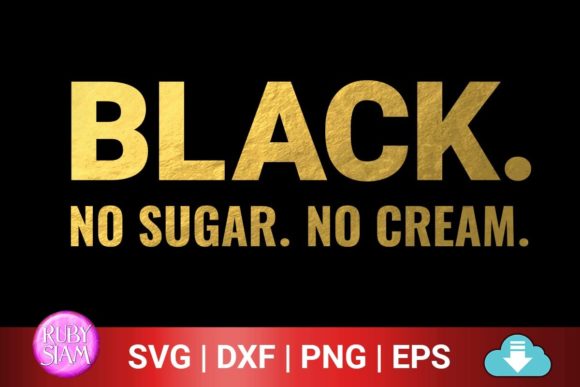
Review: Black No Sugar No Cream, Dope Black Mom Design
As a designer who spends more time staring at stitch maps than most people care to admit, I approach every new machine embroidery design with a mix of excitement and skepticism. We have all downloaded a file that looked stunning on the screen but turned into a bird's nest of thread breaks and puckering on the hoop. Today, I am taking a close look at the Black No Sugar No Cream, Dope Black Mom graphic to see if it holds up under the needle for real-world crafts and commercial projects.
This isn't just about whether the image is cute; it is about whether this digital embroidery file can carry the weight of a paid order. When you are running a craft business, your reputation hinges on the quality of the finished product. Let's break down how this specific design performs when moved from a computer screen to actual fabric.
First Impressions and Visual Personality
The moment you load the Black No Sugar No Cream, Dope Black Mom file into your editing software, the mood is immediate. It radiates confidence, warmth, and a distinct sense of identity. The typography usually associated with phrases like "Black Queen" or "Black Girl Magic" tends to be bold and unapologetic, which translates well into embroidery. However, bold text in an embroidery project requires careful attention to stitch density.
Visually, this design feels right at home in the modern boutique space. It lacks the fussy, outdated flourishes that often date embroidered goods. Instead, it offers a clean, contemporary aesthetic that appeals to a wide demographic. For an Etsy seller or small shop owner, this visual clarity is gold. It reads easily from a distance, making it perfect for items where the message needs to be the star. The layout suggests a strong horizontal flow, which is ideal for chest logos on apparel or centered designs on tote bags.
Real-World Application: The Custom Tote Scenario
To truly test the viability of this design, I imagined a specific client request: a custom order for a local community organization needing branded tote bags for a empowerment event. They wanted something that celebrated Black motherhood without being cliché. The Black No Sugar No Cream, Dope Black Mom concept fit the brief perfectly.
In this scenario, the choice of fabric is critical. A canvas tote bag provides a stable base, minimizing the risk of distortion. If you were to attempt this on a thin, stretchy t-shirt without proper stabilization, the heavy fill areas common in bold lettering could cause the fabric to pucker. For the tote, using a cut-away stabilizer would be my non-negotiable first step. This ensures that the weight of the thread doesn't drag the fabric down over time, preserving the crisp lines of the "Dope Black Mom" text.
The result? A high-value handmade product that looks professional rather than homemade. Clients are willing to pay a premium for items that feel substantial and well-executed. This design elevates a simple bag into a statement piece, increasing the perceived value of your small shop product.
Navigating Fabric Choices and Technical Challenges
While this design shines on stable fabrics like denim, canvas, or twill, it demands respect when placed on trickier materials. If you are planning sweatshirt embroidery for a cozy winter collection, you must account for the loft of the fleece. High-loft fabrics can swallow smaller details. Before stitching a full run, always test the design on a scrap piece of the exact same material you intend to sell.
There are specific zones where caution is required. If the design includes intricate corners or tight curves in the lettering, these are prime spots for thread breaks or bunching, especially if the stitch density is too high. A good reviewer always checks the stitch map. Look for long runs of satin stitch that might need a tack-down stitch to prevent looping. If the file includes tiny text elements, consider whether they will remain legible once stitched out. Sometimes, what looks sharp as a vector Graphics file gets lost in thread.
Dark fabrics present another consideration. Since this design celebrates Black identity, it will likely be stitched on various skin-tone adjacent colors or deep hues. Ensure your thread colors provide enough contrast. A dark thread on a dark garment can look sophisticated, but only if the lighting hits it right. For maximum readability, a contrasting underlay or a slightly lighter top thread might be necessary to make the "No Sugar No Cream" message pop.
Commercial Viability and Brand Consistency
For those of us selling custom apparel or personalized gifts, consistency is key. You need to know that the tenth item you stitch looks exactly like the first. This design appears robust enough for repeated production, provided your machine tension is dialed in. It works exceptionally well for holiday embroidery gifts, such as matching family shirts or nursery decor that affirms identity from a young age.
However, a crucial part of using any embroidery file commercially is understanding the license. Since this listing is for a digital asset and not a physical item, you must verify the terms before selling finished goods. Can you use it for unlimited commercial projects? Do you need to credit the original designer? Never assume. Checking these details protects your craft business from legal headaches and ensures you are supporting the creative ecosystem.
Practical Designer Notes for Success
Before you commit this design to a customer's prized possession, run through this checklist:
- Test on Scraps: Always stitch a sample on the actual fabric type to check for puckering or registration issues.
- Check Hoop Size: Confirm the design fits your available hoop. If it is too large for a standard hoop, you may need to split the design or use a larger frame, which affects alignment.
- Stabilizer Strategy: Match your stabilizer to the fabric. Use cut-away for stretchy knits and tear-away for stable wovens.
- Thread Contrast: View your color choices in black and white mockups to ensure the design remains readable without color reliance.
- Density Check: If the design feels too stiff after stitching, consider reducing the fill density in your editing software.
- License Verification: Re-read the product description to confirm rights for resale, especially if you are an Etsy seller offering made-to-order items.
Ultimately, the Black No Sugar No Cream, Dope Black Mom design offers a powerful blend of style and substance. It is not just a pretty picture; it is a versatile tool for creating meaningful embroidered patches, tote bag designs, and baby embroidery projects. When handled with technical precision and an eye for detail, it becomes more than thread on fabric—it becomes a badge of honor for the wearer and a testament to the skill of the maker.
Whether you are decorating a cap, finishing a pillow cover, or building a new line of boutique merchandise, this design has the potential to be a staple in your library. Just remember: the difference between a good project and a great one lies in the preparation. Respect the file, know your fabric, and let the magic of the stitch do the rest.